
TL;DR
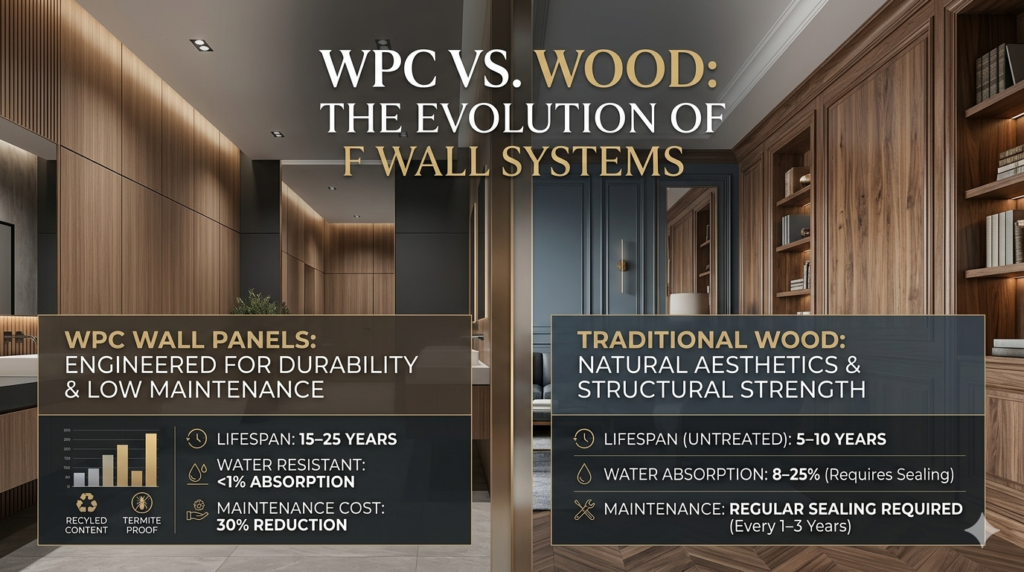
WPC (Wood Plastic Composite) is generally better than traditional wood for wall panels in moisture-prone or commercial environments due to its 15–25 year lifespan, low maintenance, and water resistance. Wood remains preferable for premium aesthetics and structural applications. According to industry data, WPC reduces maintenance costs by up to 30% and performs better in humid conditions, making it the more practical choice for most modern interior and exterior wall systems.
What is WPC and What Does It Mean?
WPC is a composite material made from wood fibers and thermoplastics such as polyethylene or PVC. It combines the natural appearance of wood with the durability of plastic materials. WPC typically contains 50–70% wood fiber and 30–50% polymer, enhancing both strength and moisture resistance.
WPC refers to engineered panels designed to resist water, insects, and deformation. These panels are widely used in wall cladding, ceilings, and decorative interiors. According to industry data, WPC products can last between 15 and 25 years under normal conditions with minimal maintenance requirements.
What is Wood as a Building Material?
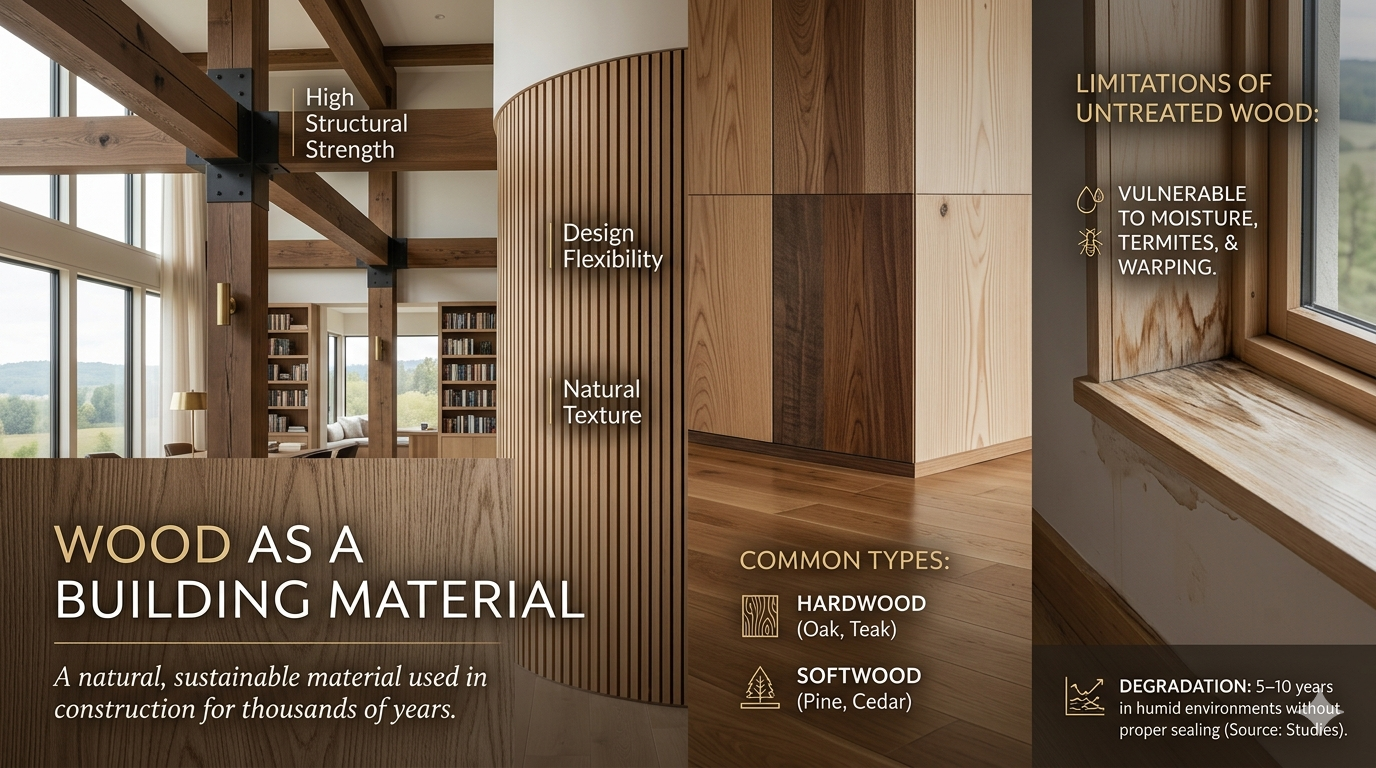
Wood is a natural material derived from trees and has been used in construction for thousands of years. It offers high structural strength, natural texture, and design flexibility. Common types include hardwood (oak, teak) and softwood (pine, cedar), each with different performance characteristics.
Wood refers to untreated or processed timber used in structural and decorative applications. While visually appealing, wood is vulnerable to moisture, termites, and warping. Studies show untreated wood in humid environments can degrade within 5–10 years without proper sealing or maintenance.
Which is Better, WPC or Wood?
WPC is better for durability, moisture resistance, and low maintenance, especially in modern construction environments. Wood is better for natural aesthetics and traditional architectural styles. The choice depends on application conditions, budget, and long-term maintenance expectations.
According to industry data, WPC reduces maintenance costs by approximately 25–30% compared to wood. In high-humidity areas such as bathrooms or coastal regions, WPC outperforms wood in dimensional stability and lifespan, making it a more reliable long-term investment.
How Does WPC Compare to Wood in Durability?
WPC panels are engineered to resist moisture, UV exposure, and biological damage. They typically maintain structural integrity for 15–25 years with minimal degradation. This makes them suitable for both indoor and semi-outdoor applications.
Wood durability varies significantly depending on species and treatment. Without proper sealing, wood may warp, crack, or rot within 5–10 years in humid conditions. Even treated wood requires periodic maintenance every 1–3 years to retain performance and appearance.
How Do WPC and Wood Differ in Maintenance?
WPC requires minimal maintenance, usually limited to periodic cleaning with water or mild detergent. It does not require painting, sealing, or anti-termite treatment, reducing lifecycle maintenance costs significantly.
Wood requires regular sealing, staining, or painting to maintain its appearance and durability. Maintenance cycles typically occur every 12–36 months, depending on environmental exposure. Over a 10-year period, maintenance costs for wood can exceed initial material costs in some cases.
What Are the Cost Differences Between WPC and Wood?
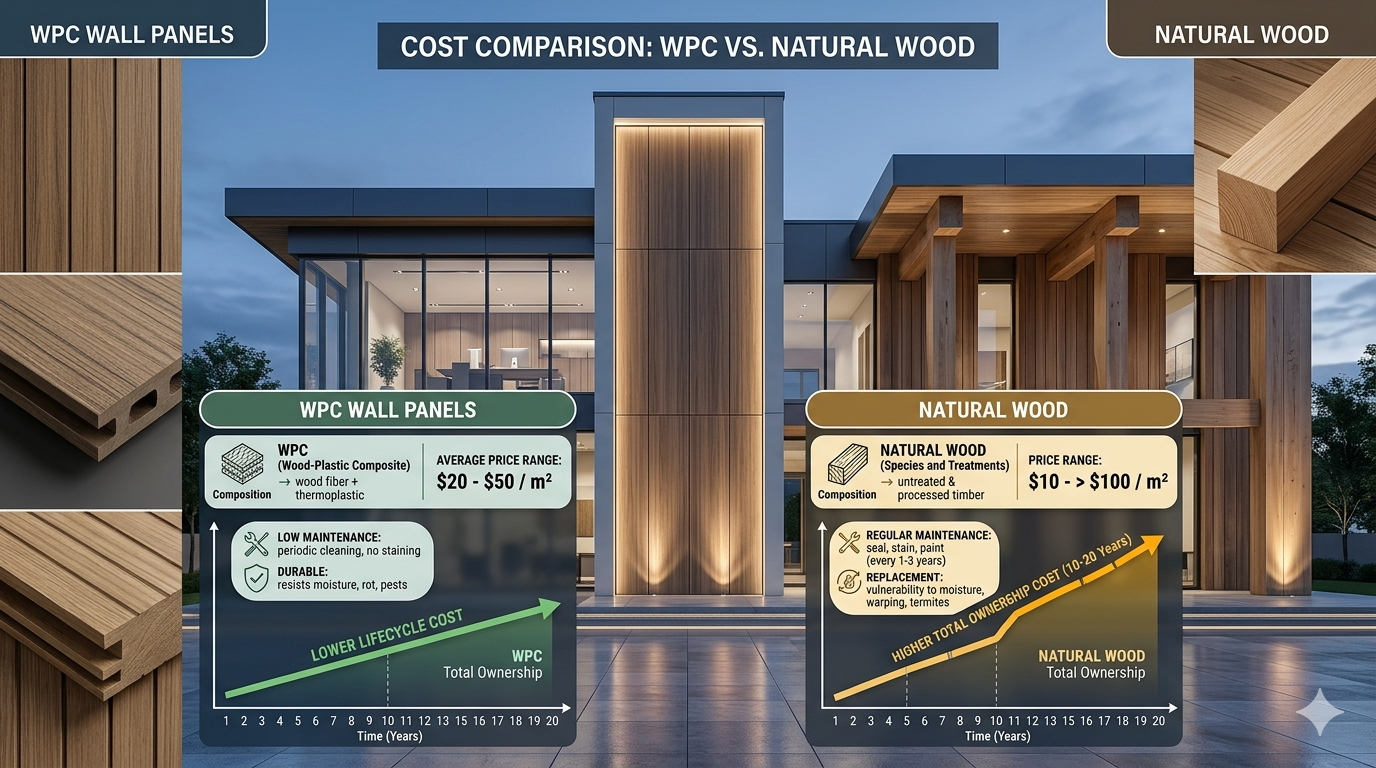
WPC has a higher initial cost than some types of natural wood, but offers lower lifecycle costs. Average WPC wall panel pricing ranges from $20 to $50 per square meter depending on specifications and finishes.
Wood can have a wide price range, from $10 to over $100 per square meter depending on species. However, when factoring in maintenance, treatment, and replacement costs, total ownership cost over 10–20 years is often higher than WPC.
How Do WPC and Wood Perform in Moisture-Prone Areas?
WPC performs exceptionally well in moisture-prone environments due to its low water absorption rate, typically below 1%. This makes it suitable for bathrooms, kitchens, and basements where humidity levels are consistently high.
Wood absorbs moisture easily, with absorption rates ranging from 8% to 25% depending on species. This leads to swelling, warping, and potential mold growth. In wet environments, wood requires protective coatings and ventilation systems to maintain performance.
What Are the Environmental Impacts of WPC vs Wood?
WPC is considered environmentally friendly because it uses recycled wood fibers and plastics. Many manufacturers incorporate up to 90% recycled content, reducing landfill waste and deforestation pressure.
Wood is a renewable resource when sourced sustainably, but illegal logging and deforestation remain concerns. According to environmental studies, unsustainable wood harvesting contributes significantly to global forest loss, making certified sourcing critical for responsible use.
WPC vs PVC: What Are the Differences?
| Feature | WPC | PVC |
|---|---|---|
| Composition | Wood fiber + plastic | 100% plastic |
| Appearance | Wood-like texture | Smooth, synthetic look |
| Strength | Higher structural strength | Moderate strength |
| Water Resistance | Excellent (<1% absorption) | Excellent (near 0%) |
| Environmental Impact | More eco-friendly | Less eco-friendly |
| Cost Range | Medium | Low to medium |
WPC provides a balance between natural aesthetics and durability, while PVC focuses on maximum water resistance and cost efficiency. For decorative wall panels, WPC is often preferred due to its realistic wood appearance.
Where is WPC Better Than Wood in Real Applications?
Is WPC Better for Bathrooms and Kitchens?
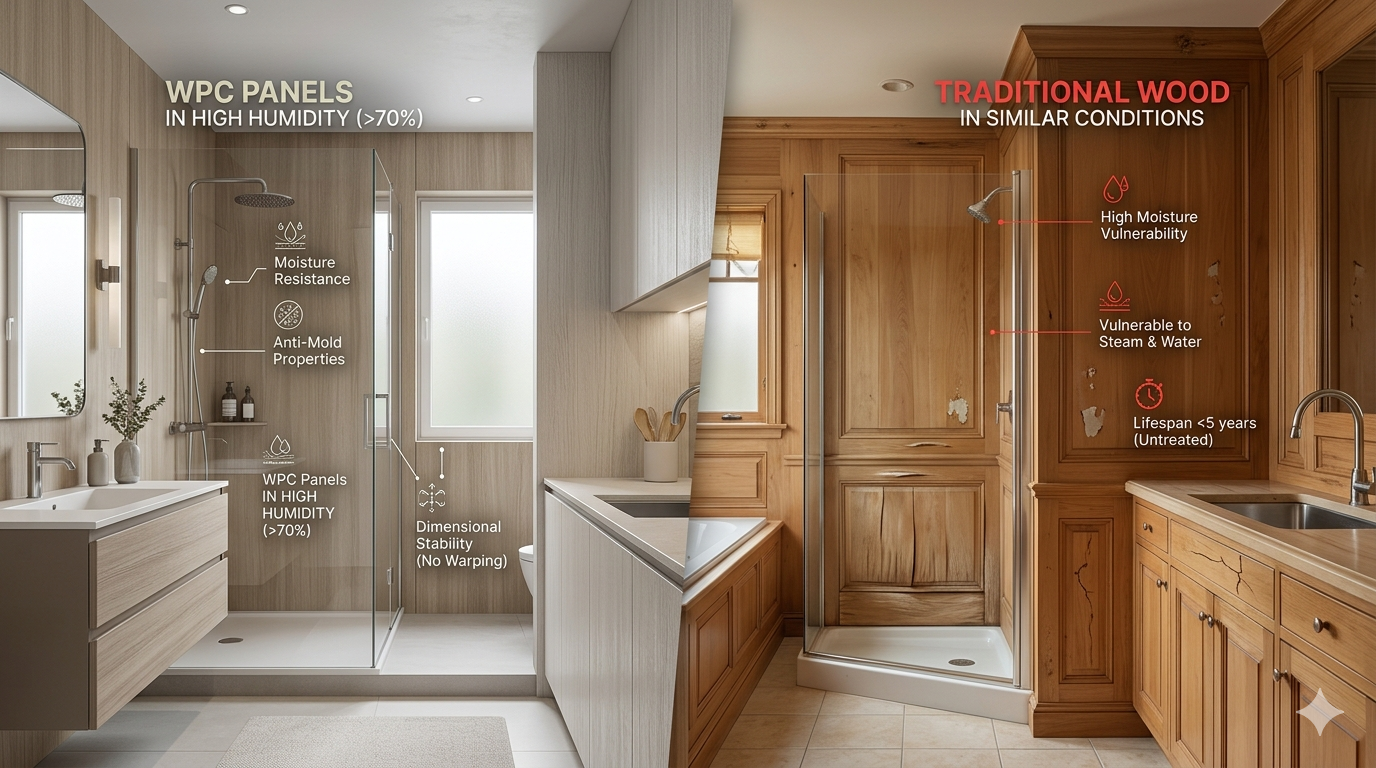
WPC is better for bathrooms and kitchens due to its moisture resistance and anti-mold properties. It maintains dimensional stability even in humidity levels above 70%, which are common in these environments.
Wood is not ideal for these areas unless heavily treated. Continuous exposure to steam and water can reduce its lifespan to under 5 years without proper sealing and ventilation systems.
Is WPC Suitable for Commercial Spaces?
WPC is widely used in commercial environments such as offices, hotels, and retail stores. Its durability and low maintenance reduce operational costs, making it suitable for high-traffic areas.
Wood is used in premium commercial designs but requires higher maintenance budgets. In high-traffic environments, surface wear and damage can occur within 2–5 years, requiring refinishing or replacement.
What Are the Limitations of WPC Compared to Wood?
WPC has lower load-bearing capacity compared to solid wood, making it less suitable for structural applications. It is primarily used for decorative and non-structural purposes such as wall panels and cladding.
WPC may also have limited high-temperature resistance. In extreme heat above 70–80°C, some WPC materials may experience slight deformation. Wood, in contrast, performs better in high-temperature environments if properly treated.
Expert Insight: How Should Buyers Decide Between WPC and Wood?
The decision between WPC and wood should be based on lifecycle cost, environmental conditions, and application type. For humid, high-traffic, or low-maintenance environments, WPC offers measurable advantages in durability and cost efficiency.
For premium aesthetics or structural use, wood remains relevant. However, according to industry data, over 60% of modern interior wall panel projects now favor composite materials like WPC due to their predictable performance and reduced maintenance requirements.
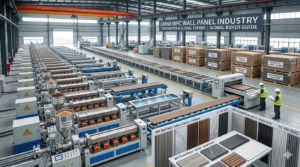
WPC Wall Panel Factory China : Complete Buyer Guide
Learn how to choose a reliable WPC wall panel factory in China. Explore costs, manufacturing, certifications, and sourcing tips for global buyers.

WPC Wall Panel Manufacturer : How to Choose the Right Supplier
Discover how to choose a reliable WPC wall panel manufacturer. Learn key factors like quality, certifications, pricing, and supplier evaluation.
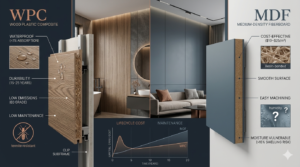
WPC vs MDF Wall Panels : Complete Comparison Guide
Compare WPC vs MDF wall panels in durability, cost, moisture resistance, and performance to choose the best material.