
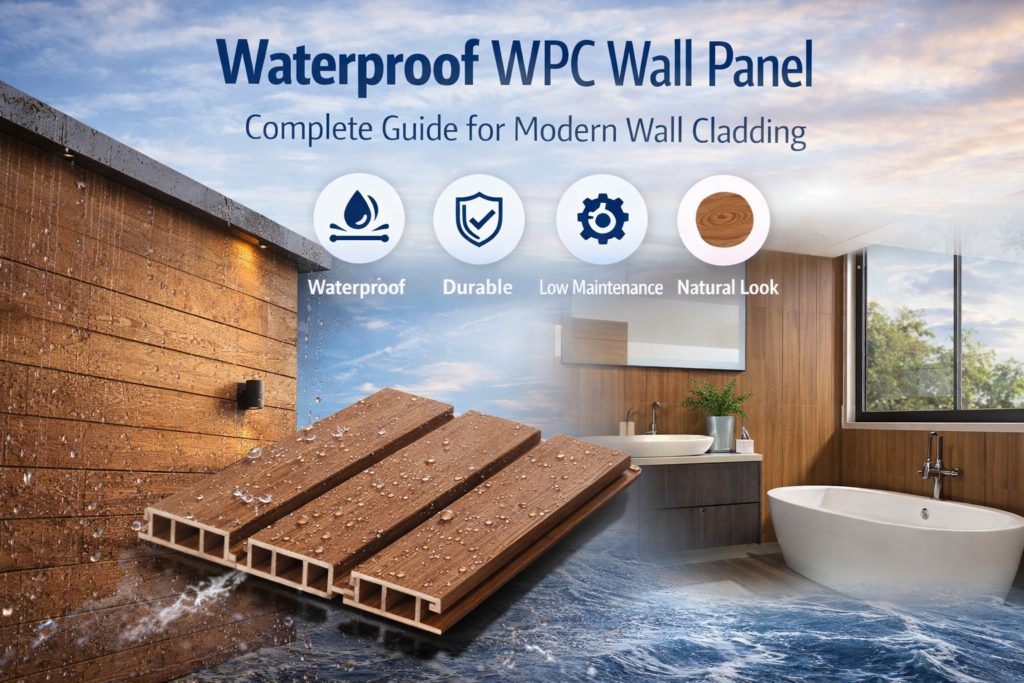
Waterproof WPC Wall Panel: Complete Guide for Modern Wall Cladding
In modern construction and interior design, moisture resistance is a critical factor when selecting wall materials. Traditional materials like wood often suffer from swelling, warping, and decay when exposed to water. This is why waterproof WPC wall panels (Wood Plastic Composite panels) have become a preferred solution for both interior and exterior applications.
This guide explains what waterproof WPC wall panels are, how they achieve water resistance, and why they are widely used in global construction projects.
What is a Waterproof WPC Wall Panel?
A waterproof WPC wall panel is a composite material made from:
- Wood fibers or wood powder
- Thermoplastics such as HDPE or PVC
- Additives including waterproofing agents and stabilizers
Through high-temperature extrusion, these materials form a dense structure that significantly reduces water absorption while maintaining a natural wood-like appearance.
Unlike traditional wood, WPC panels do not absorb moisture easily, making them suitable for environments with high humidity or direct water exposure.
How WPC Panels Achieve Waterproof Performance
The waterproof performance of WPC wall panels comes from several key factors:
1. Polymer Encapsulation
Plastic components surround the wood fibers, preventing water from penetrating the internal structure.
2. Low Water Absorption Rate
High-quality WPC panels typically have water absorption rates of less than 1%, which ensures dimensional stability.
3. Co-Extrusion Technology
Advanced co-extrusion panels include a protective outer layer that enhances:
- Waterproof performance
- UV resistance
- Stain resistance
4. Tight Interlocking System
Tongue-and-groove or clip systems reduce gaps between panels, minimizing water infiltration.
Key Benefits of Waterproof WPC Wall Panels
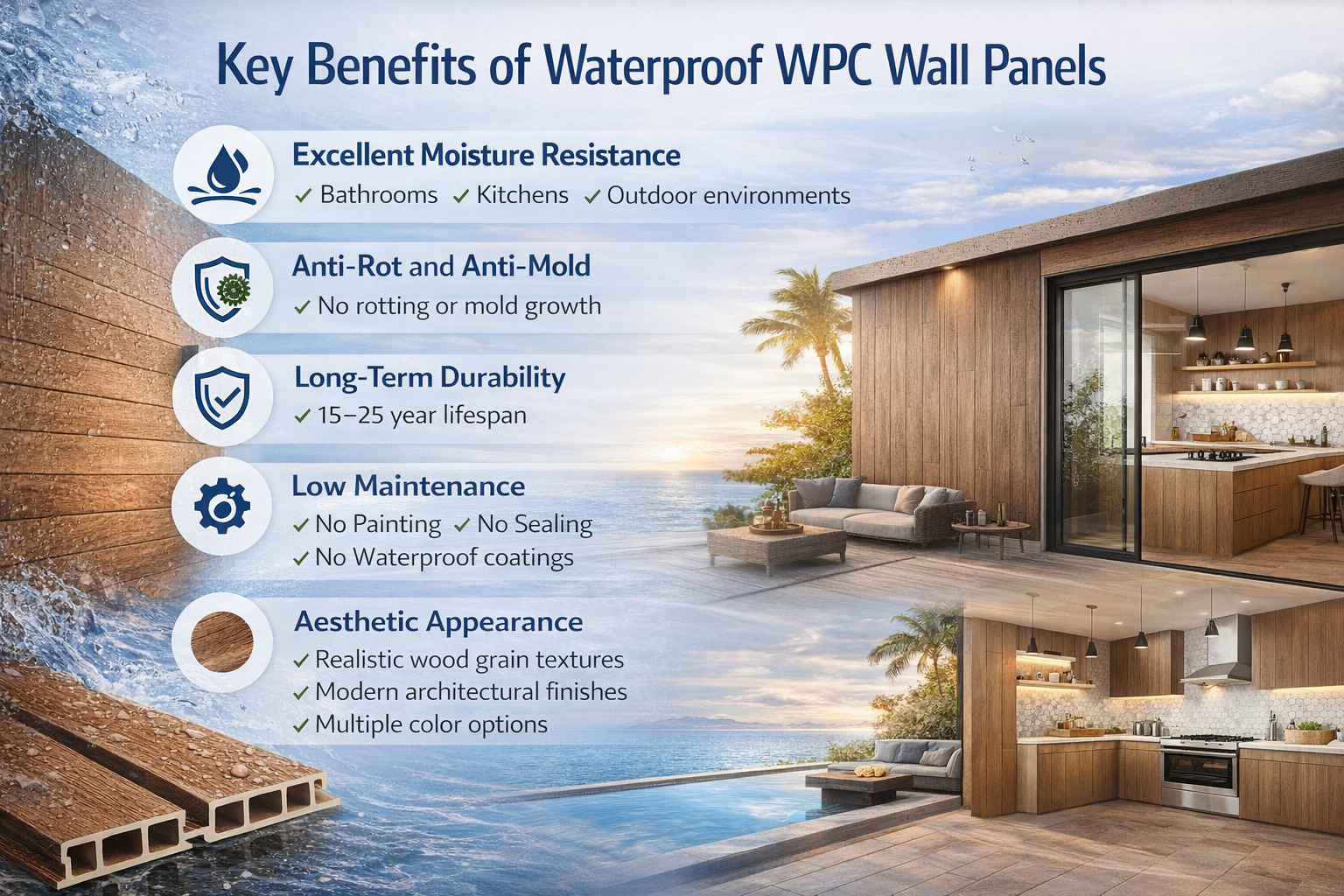
1. Excellent Moisture Resistance
WPC panels perform well in:
- Bathrooms
- Kitchens
- Outdoor environments
- Coastal areas
2. Anti-Rot and Anti-Mold
Unlike wood, WPC panels do not rot or develop mold easily, even in humid conditions.
3. Long-Term Durability
Waterproof performance contributes to a lifespan of 15–25 years in most environments.
4. Low Maintenance
No need for:
- Painting
- Sealing
- Waterproof coatings
5. Aesthetic Appearance
Waterproof WPC panels still offer:
- Realistic wood grain textures
- Modern architectural finishes
- Multiple color options
Applications of Waterproof WPC Wall Panels
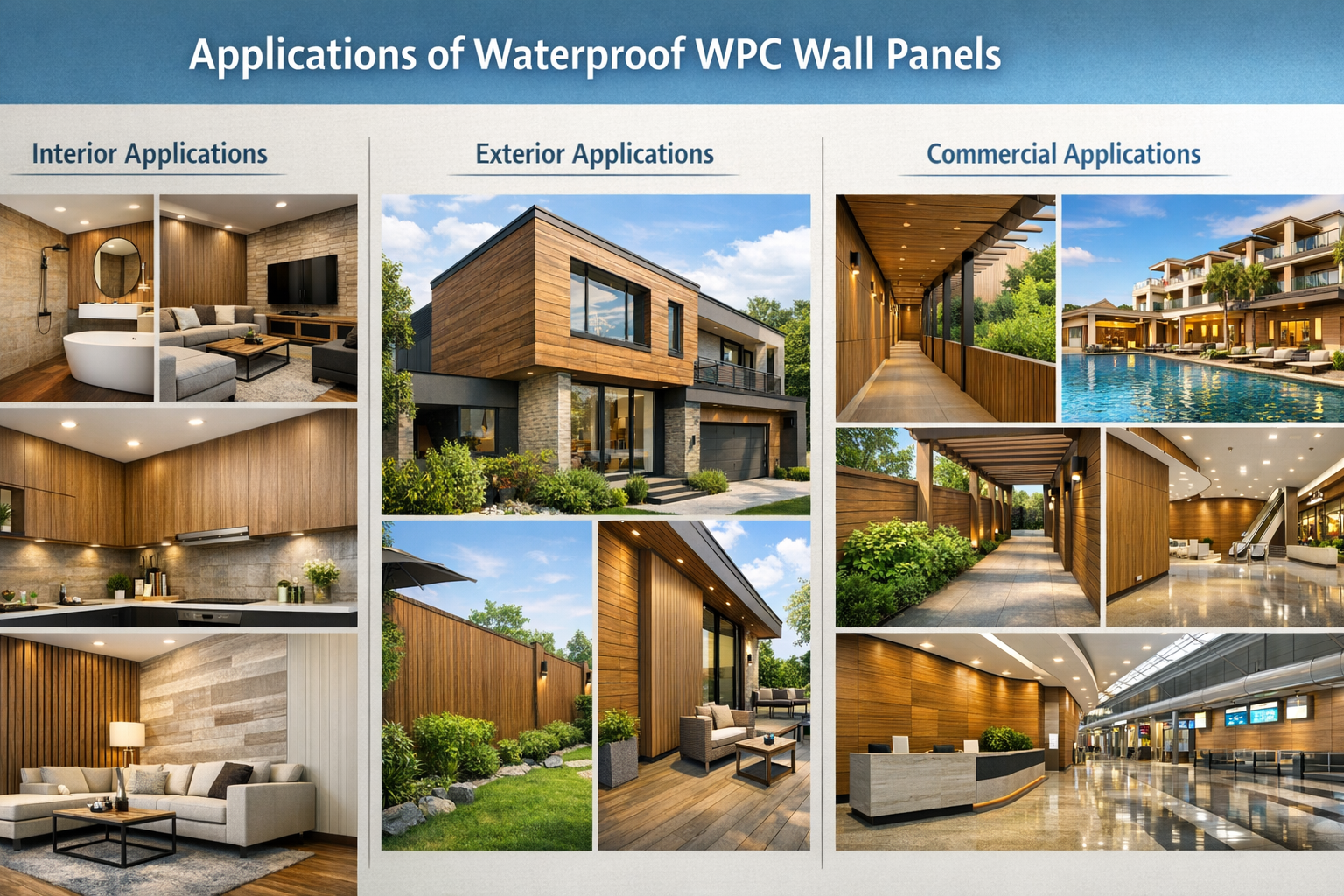
Interior Applications
- Bathroom wall panels
- Kitchen wall decoration
- Basement wall covering
- Indoor feature walls
Exterior Applications
- Building facade cladding
- Balcony walls
- Outdoor corridors
- Garden wall panels
Commercial Applications
- Hotels and resorts
- Shopping malls
- Office buildings
- Public infrastructure
Waterproof WPC vs Traditional Materials
| Material | Waterproof | Durability | Maintenance |
|---|---|---|---|
| Wood | No | Medium | High |
| PVC | Yes | Medium | Low |
| WPC | Yes | High | Low |
WPC offers the best balance between water resistance, durability, and appearance.
Installation Considerations for Waterproof Performance
To ensure maximum waterproof performance:
1. Use Proper Frame Structure
Allow airflow behind panels to prevent moisture buildup.
2. Maintain Expansion Gaps
WPC materials expand slightly with temperature changes.
3. Use Stainless Steel Fasteners
Prevent rust and maintain structural integrity.
4. Install Edge Sealing Properly
Use trims and profiles to protect panel edges.
Common Mistakes to Avoid
- Installing panels without ventilation space
- Using low-quality panels without UV protection
- Ignoring expansion gaps
- Improper sealing at edges
Avoiding these mistakes ensures long-term waterproof performance.
Why Waterproof WPC Panels Are in High Demand
With increasing demand for durable and low-maintenance materials, waterproof WPC panels are widely adopted across global markets.
Manufacturers such as Taizhou Longqin provide high-quality panels for:
- Europe
- Middle East
- Southeast Asia
- North America
Their ability to combine waterproof performance with modern design makes them a leading choice in construction projects.
Conclusion
Waterproof WPC wall panels are an advanced solution for modern wall cladding needs. By combining wood fibers with durable polymers, they provide excellent resistance to moisture while maintaining a natural appearance.
Whether used indoors or outdoors, WPC panels deliver long-lasting performance, low maintenance, and aesthetic flexibility, making them a reliable investment for residential and commercial projects.
WPC vs SPC Wall Panels : What’s the Difference?
Compare WPC vs SPC wall panels by materials, structure, waterproofing, durability, installation, cost, and applications to choose the right panel.
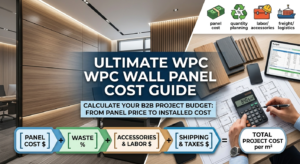
WPC Wall Panel Cost Calculator: Complete Project Cost Guide
Calculate WPC wall panel costs using wall area, panel price, waste, accessories, labor, shipping, and installation expenses.
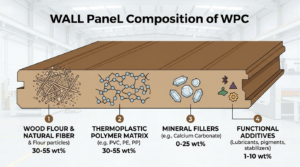
What Is WPC Wall Panel Made Of ? Materials, Composition & Manufacturing
Learn what WPC wall panels are made of, including wood fiber, plastic polymers, additives, material composition, and the complete manufacturing process.