
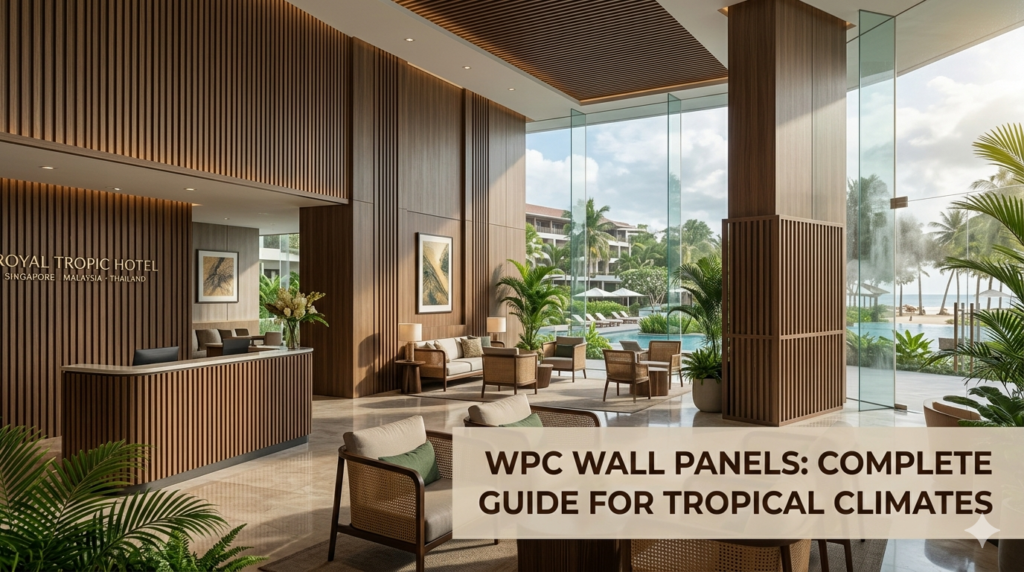
Southeast Asia is one of the fastest-growing construction and interior decoration markets in the world. Countries such as Singapore, Thailand, Malaysia, Indonesia, Vietnam, and the Philippines continue to experience rapid urban development, commercial expansion, tourism growth, and residential construction.
However, the tropical climate conditions across Southeast Asia create serious challenges for traditional decorative materials.
High humidity, frequent rainfall, heat exposure, and continuous moisture accumulation can quickly damage conventional wall systems such as:
- MDF boards
- Painted drywall
- Natural wood panels
- Wallpaper
- Standard laminate materials
As a result, architects, contractors, hotel developers, and building material distributors across Southeast Asia are increasingly choosing WPC (Wood Plastic Composite) wall panels for both interior and exterior decorative applications.
WPC wall panels are especially suitable for tropical environments because they provide:
- Waterproof performance
- Mold resistance
- Heat stability
- Long-term durability
- Low maintenance
- Modern decorative aesthetics
This article provides a comprehensive guide to WPC wall panels for Southeast Asia tropical climate applications, including environmental advantages, commercial uses, project considerations, installation benefits, and OEM customization opportunities.
Why Tropical Climates Create Challenges for Traditional Wall Materials
Southeast Asia’s climate is significantly different from temperate regions.
The combination of:
- High humidity
- Heavy rainfall
- Warm temperatures
- Coastal air exposure
- Continuous air conditioning use
creates a demanding environment for interior and exterior wall materials.
Common Problems With Traditional Decorative Materials
Mold Growth
High humidity often leads to:
- Mold formation
- Mildew accumulation
- Surface discoloration
- Unpleasant odors
This is especially common in:
- Hotels
- Restaurants
- Apartments
- Commercial buildings
Moisture Absorption
Materials such as MDF and natural wood may absorb moisture, causing:
- Swelling
- Expansion
- Warping
- Structural instability
Paint Peeling & Surface Damage
Frequent temperature fluctuations and humidity can cause painted surfaces to:
- Crack
- Peel
- Bubble
- Fade prematurely
Maintenance Costs
Buildings in tropical climates often require:
- Frequent repainting
- Mold treatment
- Surface repairs
- Material replacement
This increases long-term operating costs significantly.
What Are WPC Wall Panels?
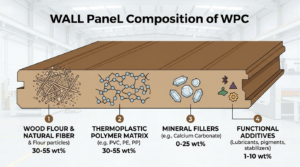
WPC wall panels are decorative composite materials manufactured from:
- Wood fibers
- Recyclable plastic polymers
- Stabilizers
- Functional additives
This engineered structure combines the natural appearance of wood with enhanced environmental resistance.
Unlike traditional wood products, WPC panels are specifically designed to resist moisture and maintain dimensional stability in humid conditions.
Main Advantages of WPC Panels in Tropical Environments
| Feature | Benefit in Southeast Asia |
|---|---|
| Waterproof Structure | Prevents moisture absorption |
| Mold Resistance | Reduces fungus and mildew risks |
| Heat Stability | Performs better in warm climates |
| Low Maintenance | Reduces operating costs |
| Easy Cleaning | Suitable for hospitality projects |
| Long Service Life | Improves investment value |
| Lightweight Installation | Faster project completion |
| Decorative Flexibility | Matches modern Asian interior trends |
Waterproof Performance in Humid Environments
One of the biggest advantages of WPC wall panels is their waterproof performance.
In tropical climates, walls are continuously exposed to:
- Humidity
- Steam
- Condensation
- Rainfall
- Moisture accumulation
Traditional decorative systems often deteriorate under these conditions.
WPC panels help prevent:
- Water absorption
- Surface swelling
- Structural deformation
- Moisture damage
This makes them highly suitable for Southeast Asian construction projects.
Mold & Mildew Resistance
Mold is one of the most common problems in tropical buildings.
Poor ventilation combined with humidity creates ideal conditions for fungal growth.
Areas Most Affected by Mold
- Hotel bathrooms
- Restaurant kitchens
- Apartment interiors
- Commercial washrooms
- Coastal buildings
WPC wall panels are designed with low moisture absorption properties that help reduce mold growth and improve interior hygiene.
This is especially important for:
- Hospitality projects
- Food service spaces
- Healthcare facilities
- Residential developments
Popular Southeast Asia Applications for WPC Wall Panels
WPC wall systems are now widely used across multiple sectors throughout Southeast Asia.
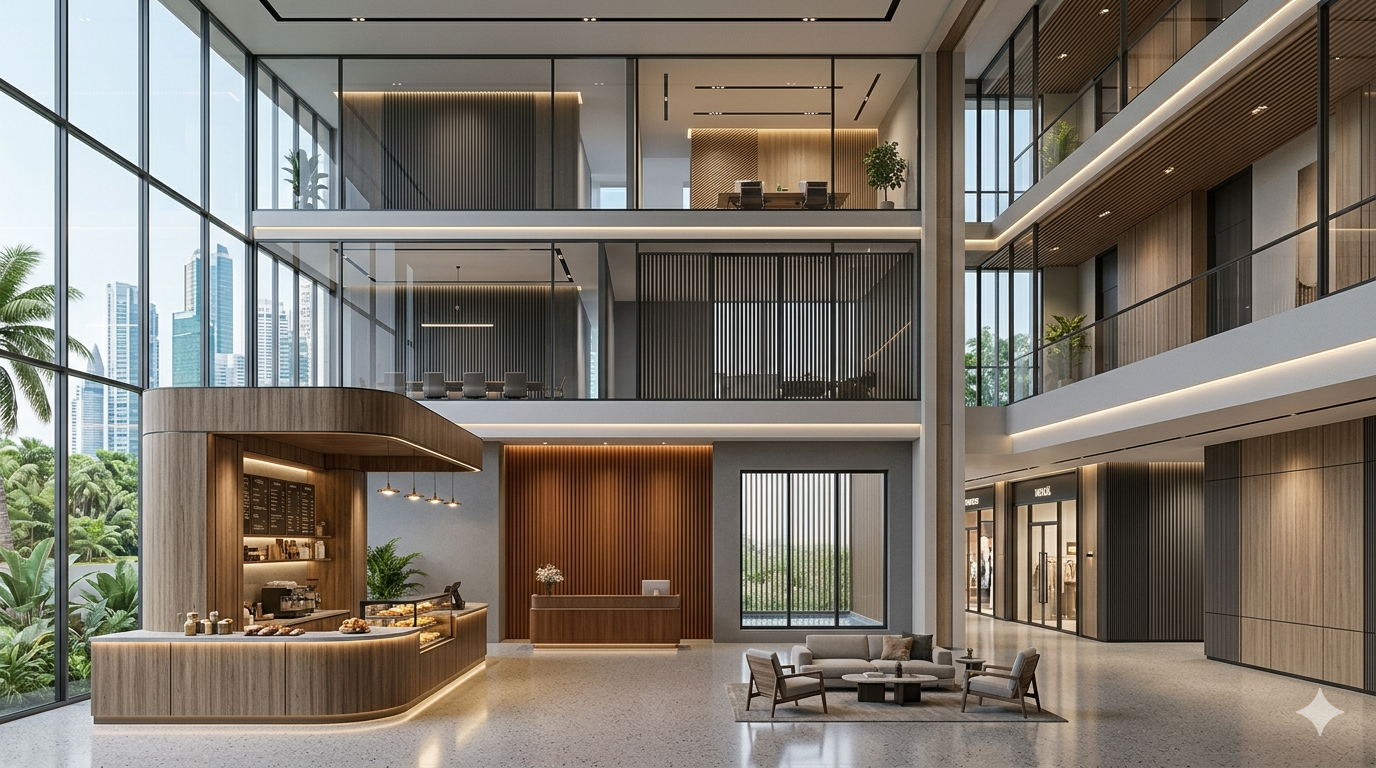
1. Hotel & Resort Projects
Tourism is a major industry across Southeast Asia.
Hotels and resorts require materials that combine:
- Luxury appearance
- Moisture resistance
- Easy maintenance
- Long-term durability
WPC wall panels are commonly installed in:
- Hotel lobbies
- Guest rooms
- Corridors
- Restaurants
- Spa areas
2. Restaurant & Café Interiors
Southeast Asia has a rapidly growing food and beverage industry.
Restaurants and cafés require decorative surfaces that can withstand:
- Steam
- Cooking humidity
- Frequent cleaning
- Daily customer traffic
WPC panels offer both practical durability and modern aesthetics.
3. Commercial Office Buildings
Modern office projects increasingly use decorative wall cladding to create:
- Contemporary workspaces
- Acoustic enhancement
- Premium business interiors
Vertical slat WPC wall panels are especially popular in commercial office projects.
4. Residential Apartments & Condominiums
Urban residential developments increasingly prefer WPC panels for:
- TV feature walls
- Bedroom decoration
- Ceiling systems
- Decorative partitions
The material’s low maintenance requirements are especially attractive for apartment owners.
5. Retail & Shopping Centers
Retail environments require materials that provide:
- Visual impact
- Easy maintenance
- Fast installation
- Long-term durability
WPC decorative wall systems are widely used in:
- Storefronts
- Retail corridors
- Feature walls
- Commercial partitions
Heat Resistance & Climate Stability
Tropical regions experience continuous heat exposure throughout the year.
Low-quality decorative materials may deform or deteriorate under prolonged high temperatures.
Professional WPC wall panels are manufactured with stabilizers that improve:
- Dimensional stability
- Heat resistance
- Surface durability
- Structural consistency
This helps prevent:
- Warping
- Cracking
- Expansion
- Surface damage
Fire-Rated WPC Wall Panels for Commercial Buildings
Commercial construction standards in Southeast Asia increasingly require fire-resistant decorative materials.
Professional manufacturers often provide:
| Fire Standard | Common Applications |
|---|---|
| B1 Fire Rating | Commercial interiors |
| ASTM E84 | International hospitality projects |
| EN13501 | European-standard developments |
Fire-rated WPC wall systems are widely used in:
- Hotels
- Shopping malls
- Office buildings
- Restaurants
- Public commercial spaces
Why Southeast Asia Developers Prefer WPC Panels
Developers increasingly prioritize materials that reduce long-term maintenance costs while maintaining modern aesthetics.
Key Developer Advantages
Lower Maintenance Costs
Compared with traditional decorative materials, WPC panels reduce:
- Repainting frequency
- Mold treatment costs
- Water damage repairs
- Replacement cycles
Faster Installation
WPC panels offer:
- Lightweight construction
- Simplified installation systems
- Reduced labor requirements
This shortens project timelines.
Modern Decorative Appearance
Popular finishes include:
- Natural wood grain
- Matte surfaces
- Stone textures
- Vertical slat systems
These styles align with modern Southeast Asian architectural trends.
Southeast Asia Interior Design Trends Supporting WPC Demand
The region’s interior decoration market increasingly favors:
- Minimalist aesthetics
- Natural textures
- Sustainable materials
- Modern luxury interiors
WPC wall systems fit these trends extremely well.
Scandinavian & Japanese-Inspired Interiors
Many Southeast Asian residential and hospitality projects now use:
- Light wood tones
- Minimalist decorative systems
- Clean vertical panel designs
WPC panels help achieve these aesthetics while improving durability.
Sustainable Construction Trends
Sustainability is becoming increasingly important across Southeast Asia.
WPC panels support green building goals because they:
- Use recyclable materials
- Reduce natural wood consumption
- Offer long service life
- Reduce renovation waste
OEM & Customization Opportunities
Many Southeast Asian distributors and contractors prefer customized wall panel solutions.
Professional WPC manufacturers typically provide:
Common OEM Services
| Customization Type | Description |
|---|---|
| Custom Colors | Regional market preferences |
| Surface Embossing | Wood grain & stone textures |
| Fire-Rated Formulations | Commercial compliance |
| Panel Dimensions | Project-specific sizing |
| Private Label Packaging | Distributor branding |
| Logo Printing | OEM retail support |
Why Southeast Asia Imports Large Volumes From China
China has become one of the world’s largest WPC manufacturing centers.
Professional Chinese manufacturers offer:
- Competitive pricing
- Large production capacity
- Mature OEM systems
- Export logistics experience
- Stable bulk supply
This makes China a major supplier for Southeast Asian construction projects.
Conclusion
WPC wall panels have become one of the most practical and effective decorative solutions for Southeast Asia tropical climate applications.
Compared with traditional decorative materials, WPC panels provide superior performance in:
- Waterproof protection
- Mold resistance
- Heat stability
- Commercial durability
- Maintenance efficiency
- Modern decorative aesthetics
These advantages make them highly suitable for:
- Hotels
- Resorts
- Restaurants
- Office buildings
- Apartments
- Retail spaces
- Commercial projects throughout Southeast Asia
As the region’s construction and hospitality industries continue growing, waterproof WPC wall systems are expected to play an increasingly important role in future commercial and residential developments.
WPC vs SPC Wall Panels : What’s the Difference?
Compare WPC vs SPC wall panels by materials, structure, waterproofing, durability, installation, cost, and applications to choose the right panel.
WPC Wall Panel Cost Calculator: Complete Project Cost Guide
Calculate WPC wall panel costs using wall area, panel price, waste, accessories, labor, shipping, and installation expenses.
What Is WPC Wall Panel Made Of ? Materials, Composition & Manufacturing
Learn what WPC wall panels are made of, including wood fiber, plastic polymers, additives, material composition, and the complete manufacturing process.