
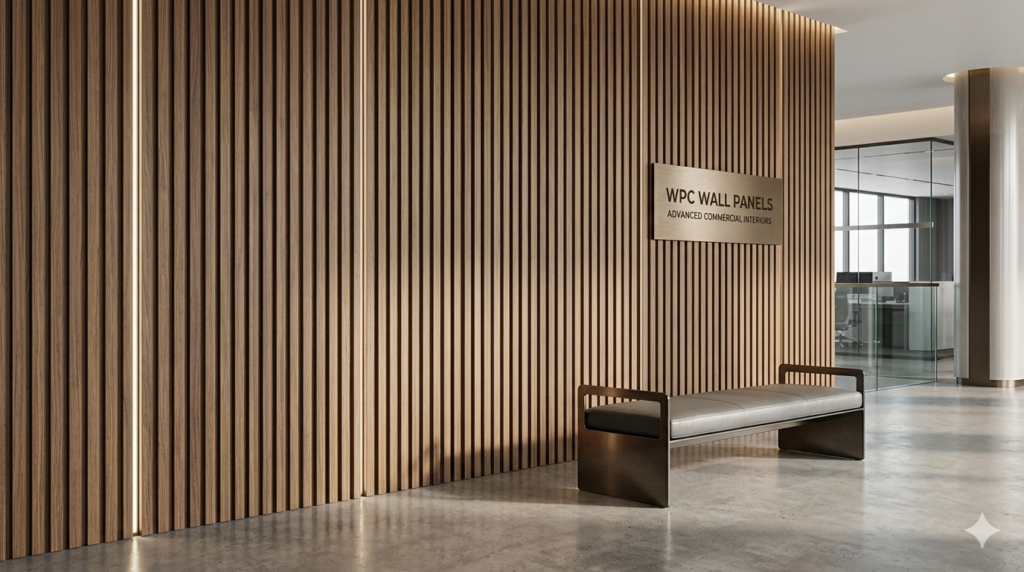
Introduction
In modern commercial architecture, interior wall systems are no longer just structural or decorative elements—they are strategic assets that impact durability, branding, acoustics, sustainability, and lifecycle costs. Among the most advanced materials gaining traction globally are WPC Wall Panels for Commercial Interiors.
Wood Plastic Composite (WPC) panels combine natural wood fibers with thermoplastics to create a hybrid material that delivers the aesthetics of wood with the performance of engineered polymers. This unique combination makes WPC panels ideal for high-traffic commercial environments such as offices, hotels, retail stores, hospitals, airports, and educational institutions.
This comprehensive guide explores everything professionals need to know—from technical specifications and performance benchmarks to installation strategies and cost analysis—ensuring informed decision-making for architects, contractors, and procurement teams.
What Are WPC Wall Panels?
WPC (Wood Plastic Composite) wall panels are engineered materials made by blending:
- Wood fibers or wood flour
- Thermoplastics (such as PVC, PE, or PP)
- Additives (UV stabilizers, fire retardants, colorants)
Key Characteristics
- Hybrid structure combining organic and synthetic components
- Extruded or molded into panels, slats, or boards
- Available in hollow or solid core configurations
- Designed for both aesthetic and functional performance
Why Choose WPC Wall Panels for Commercial Interiors?
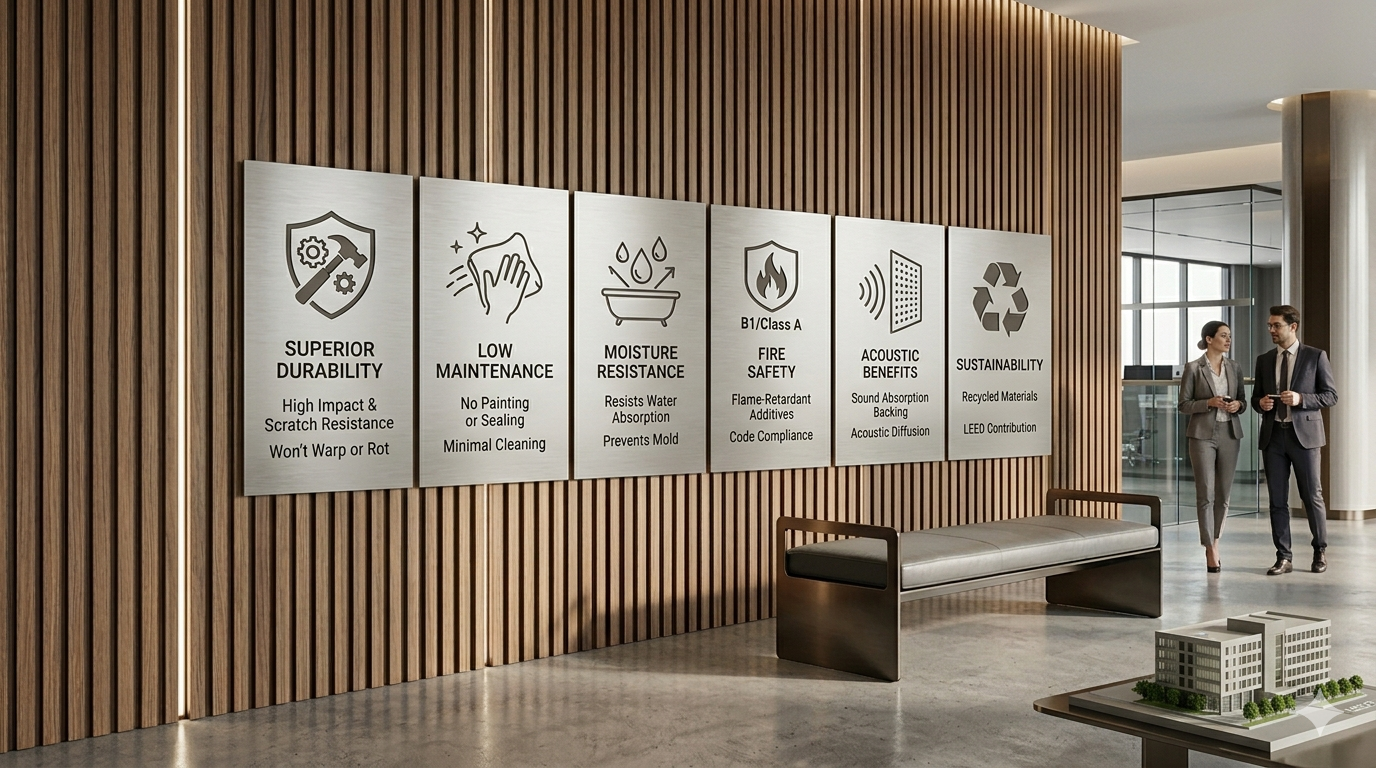
1. Superior Durability
Commercial environments demand materials that withstand heavy usage. WPC panels offer:
- High impact resistance
- Scratch and abrasion resistance
- Moisture and humidity tolerance
- Resistance to warping, cracking, and rotting
Unlike traditional wood, WPC does not degrade under fluctuating environmental conditions.
2. Low Maintenance Requirements
Maintenance costs are a critical factor in commercial projects.
WPC panels require:
- No painting or sealing
- Minimal cleaning (simple wipe-down)
- No pest control treatments
This significantly reduces long-term operational costs.
3. Moisture and Mold Resistance
In environments such as hotels, hospitals, and restrooms:
- WPC panels resist water absorption
- Prevent mold and mildew growth
- Maintain structural integrity in humid climates
4. Fire Performance Options
Many WPC panels are engineered to meet commercial fire safety standards:
- Class A / B fire ratings (depending on formulation)
- Flame-retardant additives
- Compliance with international building codes
5. Acoustic Benefits
Acoustic comfort is essential in offices, conference rooms, and hospitality spaces.
WPC panels can be designed with:
- Sound absorption backing
- Slatted structures for acoustic diffusion
- Integration with acoustic insulation materials
6. Sustainability and Environmental Impact
WPC panels support green building initiatives:
- Made from recycled plastics and wood waste
- Reduced deforestation compared to solid wood
- Long lifespan reduces replacement frequency
- Potential contribution to LEED certification
Applications of WPC Wall Panels in Commercial Interiors
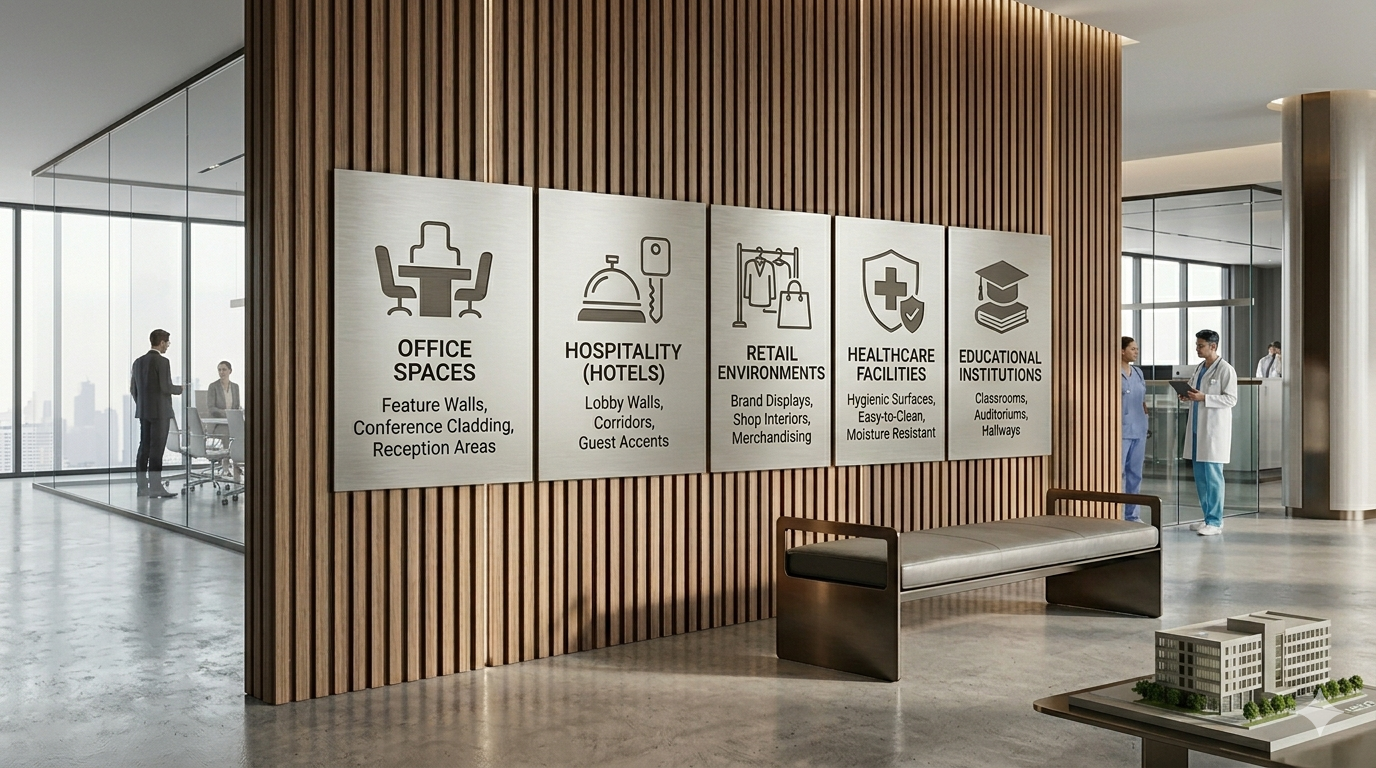
Office Spaces
- Feature walls
- Conference room cladding
- Reception areas
Hospitality (Hotels & Resorts)
- Lobby walls
- Corridor paneling
- Guest room accent walls
Retail Environments
- Brand display walls
- Shop interiors
- Visual merchandising structures
Healthcare Facilities
- Hygienic wall surfaces
- Easy-to-clean panels
- Moisture-resistant solutions
Educational Institutions
- Classrooms
- Auditoriums
- Hallways
Types of WPC Wall Panels
1. Solid WPC Panels
- Higher strength
- Better impact resistance
- Suitable for high-traffic areas
2. Hollow WPC Panels
- Lightweight
- Cost-effective
- Easier installation
3. Co-extruded WPC Panels
- Advanced surface protection layer
- Enhanced UV resistance
- Superior color retention
4. 3D Decorative Panels
- Textured finishes
- Enhanced visual appeal
- Used for feature walls
Technical Specifications Table
| Parameter | Typical Range | Importance in Commercial Use |
|---|---|---|
| Density | 0.6 – 1.2 g/cm³ | Structural strength |
| Water Absorption | < 1% | Moisture resistance |
| Fire Rating | B1 / Class A (optional) | Safety compliance |
| Thermal Expansion | Low | Dimensional stability |
| Lifespan | 10–25 years | ROI and durability |
| Maintenance Frequency | Low | Operational cost reduction |
Design Flexibility
Surface Finishes
- Wood grain textures
- Matte and gloss finishes
- Stone or fabric-like patterns
Color Options
- Natural wood tones
- Custom RAL colors
- Metallic and modern finishes
Panel Formats
- Slatted panels
- Flat panels
- Modular systems
Installation Methods
Common Installation Systems
1. Clip System
- Hidden fasteners
- Clean appearance
- Easy replacement
2. Adhesive Installation
- Suitable for smooth substrates
- Faster installation
- Lower labor cost
3. Mechanical Fixing
- Screws or anchors
- Maximum stability
- Ideal for heavy-duty applications
Installation Workflow
- Surface preparation
- Subframe installation (if required)
- Panel alignment and fixing
- Joint finishing
- Final inspection
Cost Analysis: WPC vs Traditional Materials
| Material | Initial Cost | Maintenance Cost | Lifespan | Overall ROI |
|---|---|---|---|---|
| Solid Wood | High | High | Medium | Moderate |
| PVC Panels | Low | Low | Low | Moderate |
| WPC Panels | Medium | Very Low | High | High |
| Metal Panels | High | Medium | High | Moderate |
Conclusion: WPC panels offer the best balance between cost, durability, and maintenance.
Advantages Over Traditional Materials
Compared to Wood
- No termite damage
- No warping or cracking
- Lower maintenance
Compared to PVC
- More natural appearance
- Better mechanical strength
- Higher-end aesthetics
Compared to Metal
- Warmer visual appeal
- Better acoustic properties
- Easier installation
Key Considerations When Choosing WPC Panels
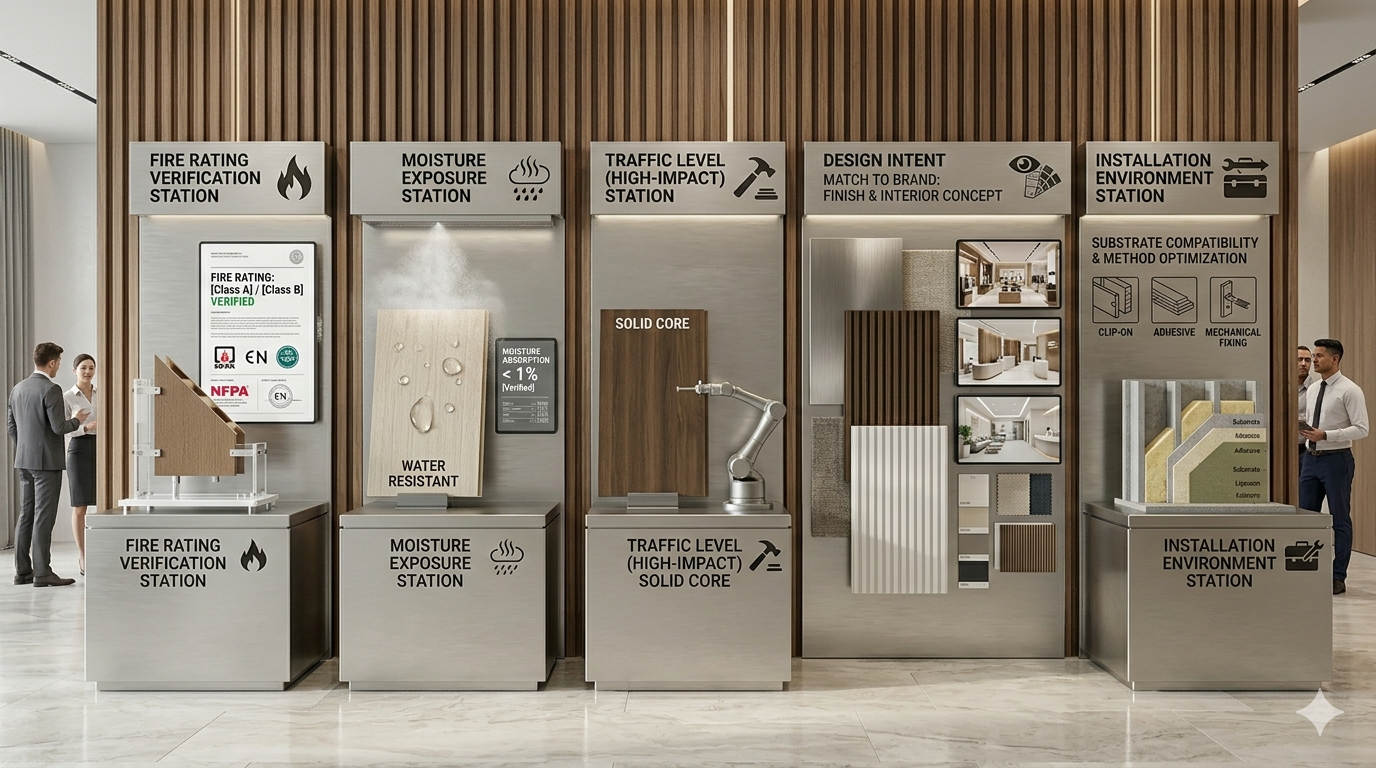
1. Fire Rating Requirements
Ensure compliance with local building codes.
2. Moisture Exposure
Select panels with high water resistance for humid environments.
3. Traffic Level
Choose solid panels for high-impact areas.
4. Design Intent
Match panel finish with brand identity and interior concept.
5. Installation Environment
Consider substrate conditions and installation method.
Maintenance Guide
Routine Cleaning
- Use soft cloth or sponge
- Mild detergent
- Avoid abrasive cleaners
Long-Term Care
- Periodic inspection
- Replace damaged panels easily
- Maintain ventilation in humid areas
Common Mistakes to Avoid
- Ignoring expansion gaps
- Using incorrect installation methods
- Choosing low-quality materials
- Overlooking fire safety standards
- Poor substructure preparation
Conclusion
WPC Wall Panels for Commercial Interiors represent a transformative solution in modern construction and design. By combining durability, aesthetic versatility, sustainability, and cost efficiency, they address the core challenges faced in commercial environments.
From high-end retail stores to functional office spaces, WPC panels deliver consistent performance while enhancing visual appeal. As the demand for sustainable and low-maintenance materials continues to grow, WPC panels are positioned to become a dominant choice in commercial interior design.
For architects, developers, and procurement professionals, investing in WPC wall panels is not just a design decision—it is a strategic move toward long-term value, efficiency, and environmental responsibility.
WPC vs SPC Wall Panels : What’s the Difference?
Compare WPC vs SPC wall panels by materials, structure, waterproofing, durability, installation, cost, and applications to choose the right panel.
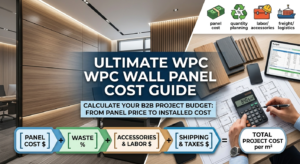
WPC Wall Panel Cost Calculator: Complete Project Cost Guide
Calculate WPC wall panel costs using wall area, panel price, waste, accessories, labor, shipping, and installation expenses.
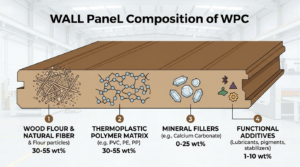
What Is WPC Wall Panel Made Of ? Materials, Composition & Manufacturing
Learn what WPC wall panels are made of, including wood fiber, plastic polymers, additives, material composition, and the complete manufacturing process.